

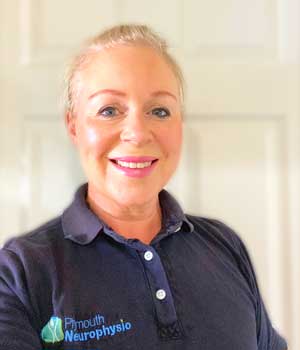
Lizzie is a highly experienced Chartered Neurological Physiotherapist with over 20 years’ experience working across acute, rehabilitation, and community settings. She specialises in the assessment and treatment of complex neurological conditions, including stroke, traumatic brain injury, multiple sclerosis, Parkinson’s disease, spinal cord injury, cerebral palsy, and Functional Neurological Disorder (FND).
Lizzie combines strong clinical reasoning with a holistic, person-centred approach, supporting individuals to maximise independence, function, and quality of life. She has extensive experience delivering long-term neurological rehabilitation in community, home, gym, hydrotherapy, and outdoor environments, adapting therapy to suit each individual’s goals and lifestyle.
She has a particular interest in movement disorders, balance and gait rehabilitation, and innovative approaches to exercise and participation. Lizzie provides rebound therapy as part of her rehabilitation programmes and also has experience using a range of assistive electrical and orthotic technologies, including Functional Electrical Stimulation (FES), ALFESS, and Turbomed provision. She also incorporates hands-on treatments such as massage therapy where appropriate.
Lizzie works closely with families, support workers, case managers, and NHS colleagues, providing education, training, and clear rehabilitation plans to ensure safe and effective ongoing support. She has strong links with local gyms and activity providers, including climbing and kayaking services, enabling individuals to access meaningful and sustainable exercise opportunities. Lizzie also works closely with the MS Centre in Exeter, regularly delivering treatment using their specialist facilities.
Lizzie is committed to lifelong learning and evidence-based practice, continually developing her skills to enhance rehabilitation outcomes. She is passionate about empowering people to re-engage with meaningful activity following neurological injury and strongly believes that life does not stop after diagnosis.
“Rehabilitation is about challenging movement patterns, rebuilding confidence, and helping people rediscover what they can do — in a way that is realistic, meaningful, and centred around what matters to them.”